Author

adminalaccsa

Noticias

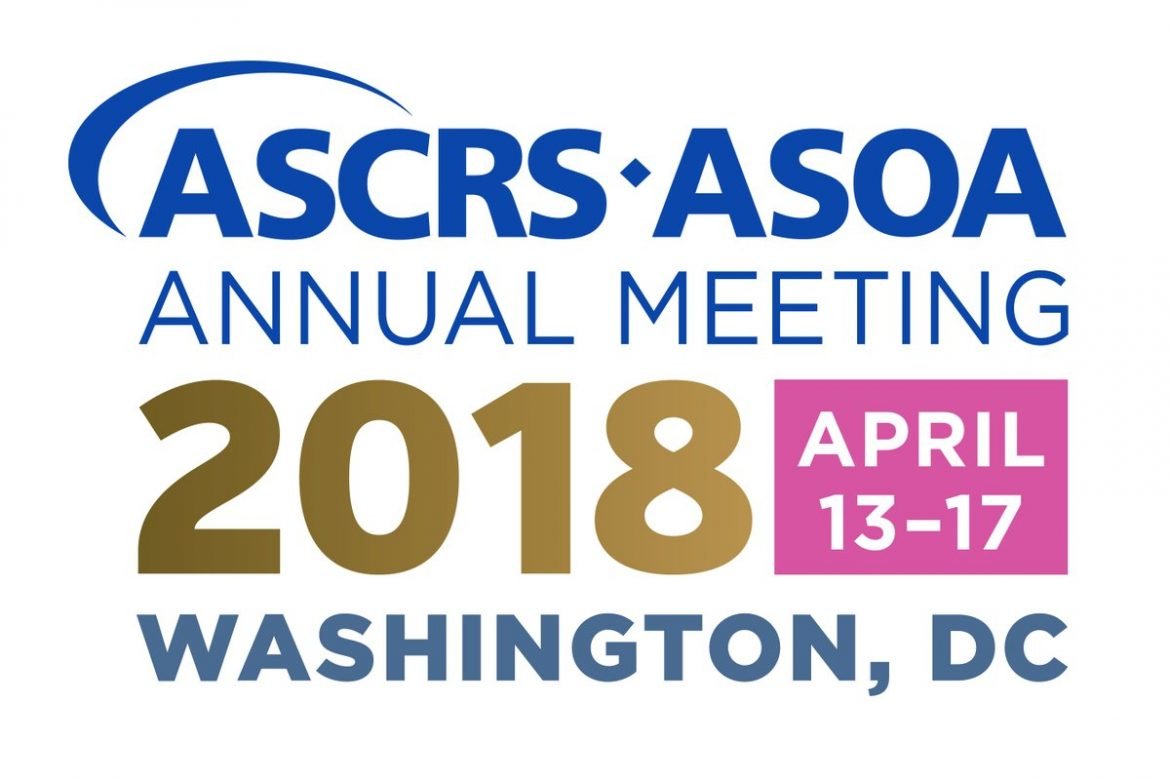
LOS INVITAMOS AL CONGRESO ASCRS • ASOA 2018

posted by adminalaccsa 1 febrero, 2018 0 comments

LOS INVITAMOS AL CONGRESO ASCRS • ASOA 2018

La reunión anual ASCRS • ASOA 2018, tendrá lugar en Washington, Estados Unidos, desde el 13 hasta el 17 de abril y proporcionará educación de alta calidad para médicos de segmento anterior, gerentes de práctica, técnicos oftálmicos, enfermeras y personal de apoyo. Los inscritos a los programas ASCRS y ASOA pueden asistir a ambos programas, pero deben registrarse en la categoría designada específica para sus credenciales.


Para mayor información pueden ingresar a la página web oficial del evento: annualmeeting.ascrs.org/


¡ASCRS • ASOA un evento que no se puede perder!

Noticias

Lente Symfony: Johnson & Johnson Vision sigue a la vanguardia

posted by adminalaccsa 17 enero, 2018 0 comments

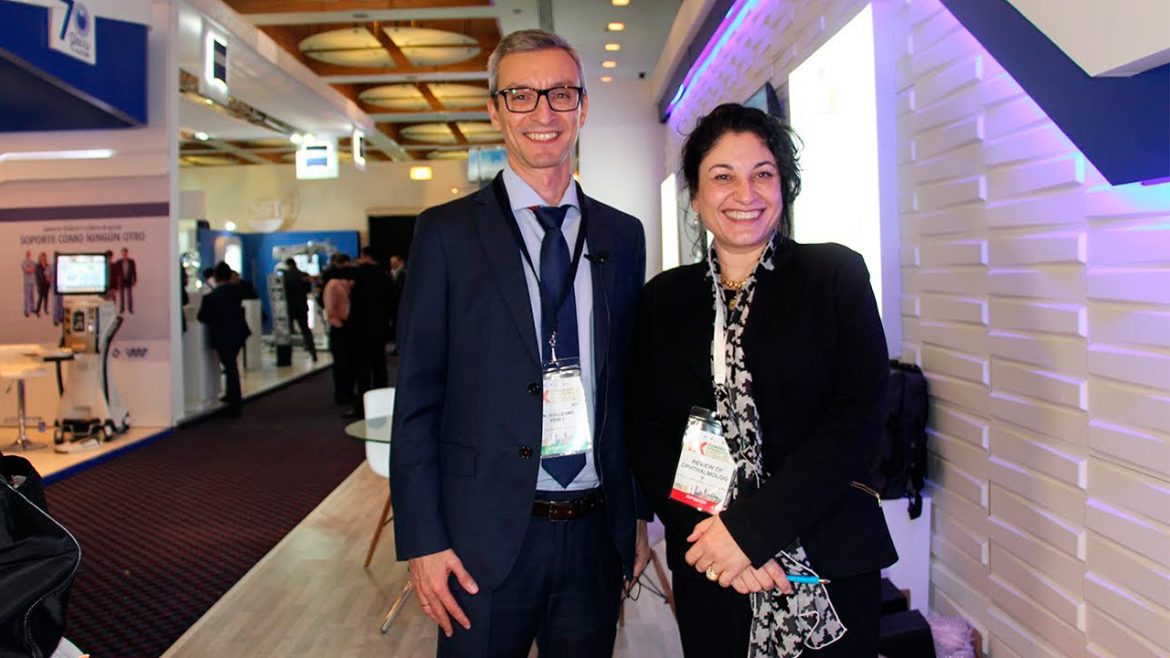
Lente Symfony: Johnson & Johnson Vision sigue a la vanguardia

El Dr. Guillermo Pérez, gerente de investigación y desarrollo de Johnson & Johnson Vision, habla de la gran repercusión que ha tenido el lente Symfony. Este lente ofrece una mejora sustancial del rango de visión de los pacientes, al tiempo que sigue minimizando los halos no deseados. Según los estudios, a los pacientes les resulta más fácil conducir de día o de noche, ver la televisión o utilizar el ordenador.

Noticias

X Congreso Hemisferio Sur ALACCSA-R y LASOA ¡Chile los espera!

posted by adminalaccsa 17 enero, 2018 0 comments

X Congreso Hemisferio Sur ALACCSA-R y LASOA ¡Chile los espera!

El 6, 7 y 8 de septiembre tendrá lugar el X Congreso Internacional del Hemisferio Sur, organizado por La Asociación Latinoamericana de Cirujanos de Catarata, Segmento Anterior y Refractiva (ALACCSA-R) y La Sociedad Latinoamericana de Administración en Oftalmología (LASOA), que siguiendo con la tradición, reunirá a los más destacados expertos en el ámbito de cirugía y patología del segmento anterior del ojo así como los nuevos avances científicos correspondientes a la subespecialidad, tanto en córnea, cirugía de catarata y refractiva.

Chile fue seleccionado por primera vez como el país que acogerá a los asistentes y especialistas invitados al Congreso, éste promete ser innovador y estar a la vanguardia de los conocimientos, tecnologías y avances científicos correspondientes.

Los invitamos a conocer un poco de Chile, ya sea una visita al famoso Palacio de La Moneda y si tiene más tiempo puede viajar hasta la Isla de Pascua ¿Por qué no hacerlo? También puede visitar el desierto de Punta Arenas.

Septiembre es un mes en el que puede aprender y también deleitarse con la belleza de un país que solo tiene cosas hermosas que ofrecer. Agéndese para el X Congreso Internacional del Hemisferio Sur y LASOA en Chile 2018.

Noticias

ENTREVISTA CON EL DR. ESPAILLAT

posted by adminalaccsa 21 diciembre, 2017 0 comments

ENTREVISTA CON EL DR. ESPAILLAT

El Dr. Arnaldo Espaillat (República Dominicana), habla acerca de la Vitrectomía anterior para cirujano de Catarata, Cálculo de LIO de última generación y FEMTO. Esta entrevista busca guiar a toda la práctica oftalmológica y a la vez actualizar la información de la misma.

http://oftalmouniversity.com/2017/05/25/episodio-18-temporada-1-dr-arnaldo-espaillat/

Noticias

Fellowship en Córnea y Cirugía Refractiva para 2018

posted by adminalaccsa 21 diciembre, 2017 0 comments

Fellowship en Córnea y Cirugía Refractiva para 2018

La Clínica Carriazo abrió su fellowship en Catarata, Córnea y Cirugía Refractiva para el 2018, con una orientación formativa clínico – quirúrgica y una duración de 1 año. El director del fellowship es el Dr. Cesar Carriazo, quien impartirá el fellowship en Barranquilla, Colombia.

Para realizar su solicitud, puede enviar un correo electrónico con su curriculum vitae al email direccioncientifica@carriazo.com donde responderán a todas sus preguntas e inquietudes. Más información en www.carriazo.com

¡Haga parte de esta gran oportunidad!

Noticias

Carta fin de año 2017

posted by adminalaccsa 21 diciembre, 2017 0 comments

Carta fin de año 2017

Apreciados colegas y familias, ya estamos cerca de las fiestas de fin de año 2017 y traerán consigo un tiempo para descansar, disfrutar con nuestros seres queridos y reflexionar sobre el año que está terminando.

De igual forma, en ALACCSA-R llega el momento de hacer una análisis y podemos decir con toda tranquilidad que en este 2017, hemos cumplido con creces nuestras tareas y responsabilidades. Producto de ello, tenemos hoy la seguridad de que ALACCSA-R se consolida una vez más como la Asociación Latinoamericana número uno de Cirujanos de Catarata, Segmento Anterior y Refractiva, esto se refleja en los más de miles de lectores y en los Congresos donde cada vez contamos con mayor asistencia por parte de las jóvenes generaciones.

Coincidiendo con las fiestas de fin de año y el inicio de uno que viene lleno de esperanzas y buenos deseos, tenemos ahora muy presente lo importante que es compartir y continuar trabajando para progresar y alcanzar las metas y objetivos comunes, por ello hacemos un llamado a todos nuestros colegas para que sigamos trabajando de la mano y nuestra familia siga creciendo.

Queremos en estos momentos, agradecerles a nuestros compañeros su trabajo honesto, ético y desinteresado por el bienestar de los pacientes alrededor de América Latina.

A la Junta Directiva y asesores, gracias por apoyarnos todo este tiempo y haber aportado cada uno desde su lugar lo mejor de sí. El próximo año nos esperan cosas grandes: más ediciones de nuestro excelente Noticiero ALACCSA-R y el X Congreso Internacional del Hemisferio Sur ALACCSA-R * LASOA en Chile, que sabemos desde ya, que gracias a su apoyo será todo un éxito.

También un agradecimiento muy especial a todos los lectores, editores y seguidores del Noticiero ALACCSA-R que con su entusiasmo y participación activa son la razón de ser del Noticiero y nos alientan a seguir trabajando cada vez más.

Esperamos que todos sus deseos se cumplan a cabalidad, dentro del margen de la amistad, la Paz y la prosperidad, y que el 2018 no sea solamente un año más, sino el año que nos dejó enseñanzas para la vida.

Felices fiestas de fin año. Feliz Navidad y un venturoso y Próspero Año 2018

Dr. William De La Peña
Presidente de la Mesa Directiva

Dra. María José Cosentino
Presidente de la Mesa Ejecutiva

ArtículosMisceláneoNoticiero Alaccsa-R

All you need is Ecuador

posted by adminalaccsa 10 diciembre, 2017 0 comments

All you need is Ecuador


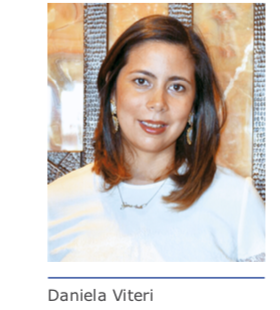
Daniela Viteri
Ecuador
Especialista en redes sociales para servicios médicos


Contacto

Daniela Viteri – danielaviteri@gmail.com

Cruzados por la línea a la que le debemos el nombre, Ecuador es uno de los países más pequeños de América del Sur lo cual, lejos de ser un problema, supone la ventaja de poder visitar playas, volcanes y selva en poco tiempo. Contamos con una amplia red de carreteras y varios aeropuertos internacionales y nacionales que permiten a los turistas moverse con facilidad.
Ecuador cuenta con dos ciudades patrimonio cultural de la humanidad (UNESCO): Quito y Cuenca, así como dos patrimonios naturales de la humanidad: Islas Galápagos y el Parque Nacional Sangay, además de una reserva natural de la biosfera como es el macizo del Cajas.

Ecuador cuenta con cuatro regiones excepcionales que ofrecen a nuestros visitantes la oportunidad de vivir aventuras únicas:

Región Costa: el país limita al oeste con el océano Pacífico y cuenta con una franja costera de más de 2.000 km. Hay playas para todo: para los amantes del surf como la legendaria Montañita, para quienes desean comodidad en la playa (Salinas) y para quie- nes aman las playas desérticas (Los Frailes). En esta región se encuentra también Guayaquil, la ciudad más grande del país, eje industrial y perla del Pacífico. El calor se aguanta fácil acompañado de un buen ceviche y una cerveza helada.

Región Sierra: La cordillera de los Andes cruza el país de norte a sur salpicándolo de volcanes y nevados. Entre es- tas montañas está el Chimborazo, la montaña con la cima más alejada del centro de la tierra o el Cotopaxi, el volcán activo más alto del mundo con Parques Naturales de fácil acceso y recorrido seguro, además de otros como “El Altar”, los Illinizas etc. Es en esta re- gión donde encontramos ciu- dades patrimonio, como Quito (con el centro histórico más grande y mejor conservado) y Cuenca. Caminar por sus calles es recorrer la historia.

Selva Amazónica: al oriente de la cordillera podemos

encontrar la selva amazónica. Esta región cuenta con varios parques y reservas como el Cuyabeno o el Yasuní, este úl- timo considerado el lugar con mayor biodiversidad del planeta. La oferta hotelera es varia- da y permite desde aventuras de un día (una buena idea es hacer base en Baños) hasta la oportunidad de adentrarse por semanas enteras en la selva y amanecer con el canto de aves y monos.

Región Insular o Galápagos: el lugar dónde Darwin desarrolló la teoría de la evolución sigue enamorando a todos sus visitantes. Imposible no maravillarse ante las tortugas gigantes o las iguanas nativas que tienen apariencia prehistórica. Cada isla es dife- rente, no hay día igual a otro. La mejor forma de conocerlas es en crucero, pero también es posible hacer base en alguna de las islas principales y recorrerlas a ritmo propio.

La gastronomía merece un capítulo aparte, cada región tiene sus especialidades pero quien nos visita no se puede ir sin probar nuestros ceviches, corviches, sango, hornados, fritada, empanadas de viento etc. Muchos mundos en uno solo, eso es visitar Ecuador.

ArtículosMisceláneoNoticiero Alaccsa-R

Síndrome de la clase turista

posted by adminalaccsa 10 diciembre, 2017 0 comments

Síndrome de la clase turista


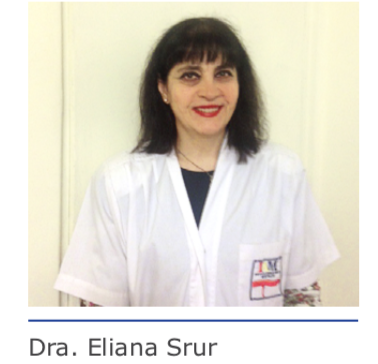
Dra. Eliana Srur Chile


Contacto

Dra. Eliana Srur – esrur@vtr.net

Definición

Se refiere a la formación de un trombo, con mayor frecuencia en las venas de las extremidades inferiores y del pulmón, desencadenado por las condiciones físicas creadas en un vuelo de larga duración (más de 6 horas) que puede ocurrir tanto en la clase económica como en primera, debido a los cambios en la cabina de presurización, oxigenación, sumado a deshidratación y otros factores que favorecen la dilatación venosa y el enlentecimiento del flujo. Pero también se puede presentar en viajes prolongados en bus o vehículo.
Factores de riesgo

Personas mayores de 45 años, con sobrepeso, sedentarios, presencia de várices, embarazadas o puérperas (6 semanas posparto), posoperatorios recientes (menos de 3 meses), enfermedades cardiacas, respiratorias o infecciones asociadas, uso de hormonas, antecedentes de trombosis venosa profunda o tromboembolismo pulmonar ya sea reciente o antiguo. Pacientes portadores de trombofilia.

Forma de prevención
• Camine antes de embarcarse, durante el vuelo y en las horas posteriores al desembarque.
• Viaje con ropa holgada y zapatos cómodos. Evite el efecto » ligadura».
• Realice los ejercicios pasivos de pies, tórax y cuello que muestran los videos durante el vuelo. Realice ejercicios respiratorios y de “pedaleo” durante el viaje.
• Beba mucha agua antes, durante y después del viaje.
• Evite el consumo de alcohol durante el vuelo, ya que favorece la deshidratación.
• Utilice calcetines o pantys elásticas de compresión graduada, (15-20 mmHg) durante el vuelo e idealmente hasta 48 horas después.
• Evite el consumo de fármacos para dormir durante el vuelo que favorecen la inmovilización y, por ende, la ectasia venosa.
• Si ha presentado previamente un episodio de trombosis, es portador de trombofilia, o presenta factores de riesgo, debe evaluarse con su médico de cabecera para agregar heparina de bajo peso molecular en dosis profilácticas antes de cada vuelo. Es la única inyección que se coloca en todas las enfermerías de los aeropuertos.
• Actualmente reapareció en Chile, el fondaparinux 2,5 mg (Arixtra) que tiene vida media prolongada, ideal para cubrir más de 24 horas, sobre todo largos trayectos como el de Asia.
• La Aspirina es un antiagregante plaquetario que previene trombos arteriales, pero no es la mejor prevención en el territorio venoso.
• Las personas que están bajo tratamiento anticoagulante permanente, deben hacerse un INR 48 horas antes de volar, para asegurar un buen nivel de anticoagulación.

ArtículosCatarataNoticiero Alaccsa-R

Antibiotic prophylaxis covered in webinar

posted by adminalaccsa 10 diciembre, 2017 0 comments

Antibiotic prophylaxis covered in webinar


Experts discussed considerations for antibiotic prophylaxis in cataract surgery by Ellen Stodola EyeWorld Senior Staff Writer

October 2017 issue of EyeWorld. Con permiso de EyeWorld.


Contact information

Chang: dceye@earthlink.net
Mah: Mah.Francis@scrippshealth.org

Shorstein: NShorstein@eyeonsight.org

Stiverson: rk.53stiverson@gmail.com

A recent webinar sponsored by the ASCRS Cataract Clinical Committee examined the topic of antibiotic prophylaxis for cataract surgery. Faculty weighed in on intracameral and topical antibiotics and factors to consider. Speakers included Richard Kent Stiverson, MD, Denver, Colorado, Neal Shorstein, MD, Walnut Creek, California, David F. Chang, MD, Los Altos, California, and Francis Mah, MD, La Jolla, California.

Dr. Mah presented on current trends in infectious endophthalmitis and touched on topical antibiotics, which he noted are the majority of what U.S. ophthalmologists are using. There is no FDA-approved antibiotic currently on the market for prophylaxis in cataract surgery, he said.

Dr. Mah then shared data on topical antibiotics and post-surgical endophthalmitis rates. “In general, we’re not doing too bad in terms of infectious endophthalmitis following cataract surgery,” he said, with the accepted rate of about 1 in 1,000. But what’s causing it? Dr. Mah said there was a landmark prospective study looking at this, which showed that 60% of patients with bacterial endophthalmitis were culture-positive.

Dr. Mah went on to discuss the prognosis for these patients. After endophthalmitis, about 43% of patients have vision of 20/40 or better but 34% have 20/200 or worse af- ter treatment. The prognosis is bad if initial vision is poor, Dr. Mah said.

We know that there are some relatively es- tablished risks for endophthalmitis. Poste- rior capsule rupture, preexisting periocular infections, and immunocompromised status are risk factors. However, Dr. Mah noted that it is multifactorial.

Prophylaxis is one area that physicians can potentially manage, Dr. Mah said, adding that the source of the organism is endog- enous. The lids, lashes, and lacrimal system harbor the organisms that cause the major- ity of endophthalmitis.

There are two approaches that require che- mo prophylaxis. One is the reduction of en- dogenous surface organisms using either antiseptic or topical antibiotic, and the other is eradication of pathogens that gain entry into the ocular tissues using an antibiotic, Dr. Mah said.

As far as eliminating endogenous surface organisms, povidone iodine is effective, he said, adding that physicians should leave povidone iodine in the eye for at least 5 min- utes of contact time. The landmark study showed significant reduction of endophthal- mitis rates with use of povidone iodine, Dr. Mah added. There was a 75–80% reduction in endophthalmitis with povidone iodine.

What do physicians know about topical an- tibiotic prophylaxis? One of the first studies was in 1964, Dr. Mah said. There were 22 infections in 20,000 cataract extractions. A later follow-up study in 36,000 consecutive retrospective operations found that switch- ing antibiotics could help. Dr. Mah said there is in vivo animal data from a study at the University of Pittsburgh that found that us- ing an agent was better than saline, and us-ing it preop and postop was bet

ter than one or the other. There are problems with topical drops, Dr. Mah noted, including com- pliance, manual dexterity, ocu- lar surface toxicity, penetration into the eye, and cost. In terms of educating patients, Dr. Mah said that a study from Canada showed that upward of 92% of patients were incorrectly putting drops in following routine cata- ract surgery.

When using topical antibiotics in the U.S., most physicians begin use about 1–3 days prior to sur- gery, with frequent dosing the day of surgery. Dr. Mah added that mostly there is no post- operative tapering, and antibi- otics are often used at least 7 days postoperatively.

In summary, he said that topical antibiotics are widespread and entrenched in the U.S., post- operative use is greater than preoperative use, retrospective studies suggest efficacy, and surrogate evidence suggests ef- ficacy. However, he noted that efficacy of topical antibiotics is unproven in a placebo-controlled prospective study.

Dr. Shorstein gave a brief histo- ry of intracamerals, referencing several studies. He discussed a study from Sweden published in the Journal of Cataract & Re- fractive Surgery (JCRS) in 2002 and a large randomized control trial by the European Society of Cataract & Refractive Surgeons (ESCRS), which was initiated in 2003 with results published in JCRS in 2007.

Dr. Shorstein discussed his personal experience at Kaiser Per-

manente. In 2007, they noticed a
slight increase in endophthalmitis.
They began to use cefuroxime in
2007 and later between 2009 and
2011 added moxifloxacin and van-
comycin. The 2007 endophthalmi-
tis rate was similar to the baseline
rate of the ESCRS study, he said,
noting that his group saw a 22-fold
decrease in endophthalmitis from
the beginning of the study to the
end. There were about 2,000 eyes
that received an intracameral in-
jection alone with no perioperative
or postoperative drops prescribed.
After this, Dr. Shorstein said a Na-
tional Eye Institute (NEI) grant
prompted further study of larger
groups in the region, which result-
ed in an in-depth look at 315,246
eyes with 250 surgeons. He noted
three take-home messages. Look-
ing at the topical alone group com-
pared to those with an added in-
tracameral injection, there was a
42% reduction in endophthalmitis
in the injection group, which was
statistically significant. Patients
who received no antibiotic (e.g.,
forgetting to fill the prescription)
had nearly a two-fold increase in
the risk of endophthalmitis com-
pared to the topical group. The
question remains whether topical
drops provide any additional ben-
efit when intracameral antibiotic is
injected. Finally, comparing intra-
cameral cefuroxime and moxiflox-
acin in those patients who were
taking topical drops in addition
to the injection, the cefuroxime
group had the highest confidence
in reduction of endophthalmitis,
Dr. Shorstein said. The moxiflox-
acin group had a slightly higher
rate, but the confidence interval
was wider. It would take tens o

thousands of patients and years of study

surgeries and had five cases of endophthal- anti-VEGF treatment, and use early

mitis.” From 2005–2016, reformation of the anterior chamber and stromal hydration of the incision were done with balanced salt solution containing vancomycin, and Dr. Stiverson said there were 55,000 cases without incidence of endophthalmitis.

Dr. Chang discussed the rare but devastat- ing complication of HORV, which he said is one of the worst complications that can happen during cataract surgery because of the potential for bilateral blindness. This was first brought to surgeons’ attention in 2015 with a paper published in Ophthal- mology. The recommendation was made to consider avoiding intracameral vanco- mycin use for routine prophylaxis. “Given the widespread use of vancomycin, many of us were concerned about drawing this conclusion from a series of just six pa- tients,” Dr. Chang said.

ASCRS and the American Society of Retina Specialists (ASRS) formed an HORV Task Force to analyze the prevalence, etiology, treatment, and outcomes of this disease. They set up an online registry, conducted an e-survey of the ASCRS membership, did a literature search, and consulted with immunologists. The paper detailing these results was published in Ophthalmology in May, Dr. Chang said. It reported a series of HORV in 36 eyes of 23 patients (13 bi- lateral and 10 unilateral), all of which re- ceived intraocular vancomycin. It could occur 1–21 days after surgery, he said, adding that if the second eye received vancomycin, the onset of HORV was often faster and more severe.

pan-retinal photocoagulation.

Dr. Chang said that HORV is most like- ly a type III delayed hypersensitivity to vancomycin. Because there is no specific test for type III hypersensi- tivity, it is difficult to prove, but every confirmed case of HORV to date re- ceived intraocular vancomycin follow- ing uncomplicated cataract surgery. In addition, systemic vancomycin causes a similar type III hypersensi- tivity called leukocytoclastic vasculitis with delayed onset and a predilection for venules. A 2014 ASCRS member survey found that 50% of respon- dents were using intracameral antibi- otic, with vancomycin being the most common agent (37% overall and 52% of American respondents).

The HORV Task Force offered several considerations, Dr. Chang said. These include weighing the risk of HORV against the risk of endophthalmitis when using vancomycin, reconsidering vancomycin with close sequential bi- lateral cataract surgery, and knowing that HORV may not cause symptoms in the first eye and a dilated retinal exam may be the only way to detect it. He said that many surgeons have switched to using intracameral cefu- roxime or moxifloxacin in light of the potential for HORV.

View the full presentation of this we- binar at www.ascrs.org/center-for- learning/video/antibiotic-prophylaxis- cataract-surgery.

Dr. Chang offered recommendations for
management. He said to consider avoid-
ing intravitreal vancomycin if HORV is
suspected, consider an ocular and/or
systemic work-up for other syndromes if
there is an unclear diagnosis, use aggres-
sive systemic and topical corticosteroids,
consider intraocular steroids, use early